
Effortless Elevation: How to Design a Home That Celebrates ‘Lived-In’ Luxury
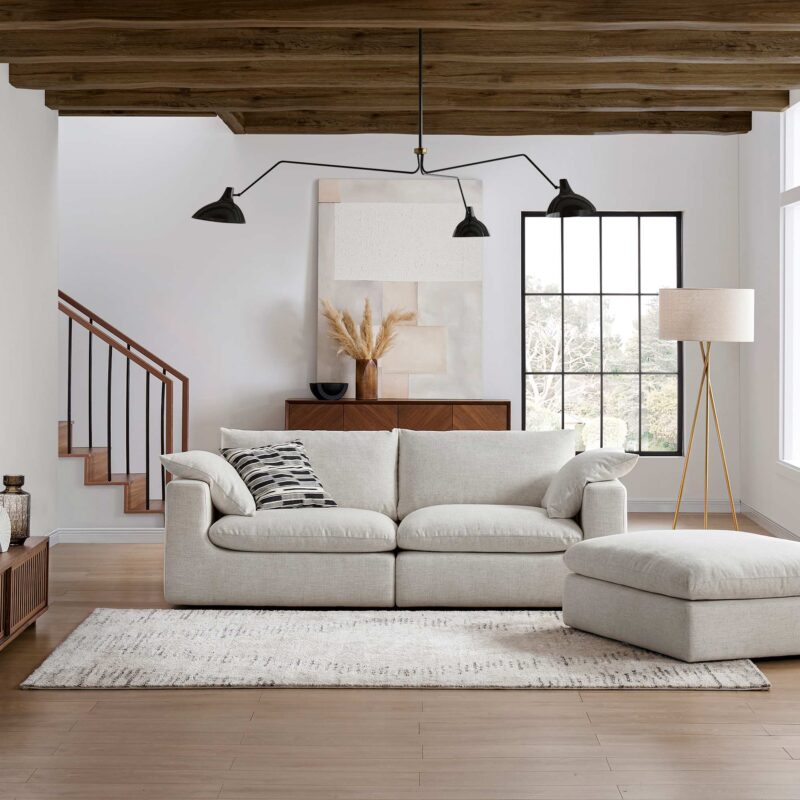
As the old saying goes, home is where the heart is. Our passion for our homes is largely seen in how we decorate them—the colours we choose for the walls, the plants we care for, and the layouts that dictate how we unwind after a long day.
But in a world full of passing interior design trends, how do we build a space that feels deeply personal, highly functional, and effortlessly stylish? The design experts behind the Castlery Blog emphasize a core philosophy: put people first, not trends. Designing a beautiful home isn't about rigid catalog layouts; it’s about making space for "all the life waiting to be lived in them."
Here is a guide to mastering modern, functional lifestyle design using signature styling rules.
1. Embrace Sculptural Curves & Organic Textures
Modern interiors are shifting toward shapes that are unapologetically human. While clean lines provide structure, incorporating curved wooden furniture, rounded dining chairs, and sculptural tables creates a softer, more intimate environment.
• The Psychology of Curves: Rounded edges naturally draw people in and make rooms look instinctively welcoming.
• Texture Play: Balance the solid structure of natural woods with rich, tactile fabrics. Mixing plush materials like bouclé or velvet with warm wood accents anchors a room, making it feel layered and comforting.
2. Maximise the Potential of "Tiny" Spaces
You don't need a sprawling floor plan to establish a luxurious layout. According to space-saving design guides, styling a smaller footprint comes down to choosing smart, proportioned pieces that avoid physical or visual bulkiness.
• Go Off the Ground: Look for multi-functional, open-base furniture that exposes more flooring. This creates the optical illusion of breathability and openness.
• Modular Versatility: Invest in flexible furniture like modular sectionals or nesting coffee tables that can be separated or pushed together depending on your daily needs.
• Mirrored Light: To brighten tight corners, place large mirrors directly opposite your primary window sources to effortlessly reflect natural light across the entire room.
3. Mix Functional Decor with High-Impact Accessories
Accessorising your home shouldn't cause unnecessary clutter. The most successful designs rely on functional decor—items that serve an active purpose while looking beautiful.
• In the Kitchen: Instead of hiding everything in cabinets, swap out old hardware and install open shelving. Display your everyday tableware alongside a glass fruit bowl or a sleek wooden cutting board.
• Low-Footprint Warmth: Bring personality into small spaces with soft textiles. Think patterned linen tea towels, high-quality throw pillows, or a beautifully proportioned area rug that anchors your primary furniture zone.
4. Build Zones for Busy Professionals
A functional home is designed specifically to support your exact lifestyle. For busy people, a home must act as both an efficient command center and a calming sanctuary.
• Intentional Lighting: Layer your lighting setup with three distinct types—task lighting for reading or desk work, ambient lighting for relaxation, and natural light to promote productivity during the day.
• Dedicated Nooks: Use furniture placement to segment a room. Strategically placing a console table or a floating shelf can instantly create a dedicated work-from-home corner or an entry organizer, allowing you to mentally "shut down" when the workday ends.
Designing for the Long Haul
At its root, elevated lifestyle design is about investing in quality craftsmanship and classic, durable materials. By selecting timeless silhouettes over fast-cycling aesthetics, your home can organically evolve right alongside your family