
The slow lounge aesthetic transforms a living room into a sensory sanctuary by replacing rigid furniture with low-profile seating, fluid curves, and layered textures. This design philosophy encourages physical and mental relaxation through grounding elements and soft, tactile environments. You can read the full article at Acanva Home.
Embrace the Curve: The Psychology of Soft Silhouettes
For years, interior design was dominated by sharp edges, boxy mid-century modern mid-sections, and rigid, clinical lines. While clean, that style often lacked a sense of welcome. The slow lounge movement flips this narrative completely by reintroducing fluid, organic shapes back into our living spaces.
Embracing the curve isn't just a fleeting trend; it is a psychological shift toward comfort and emotional safety.
How to Introduce Fluid Shapes into Your Living Room
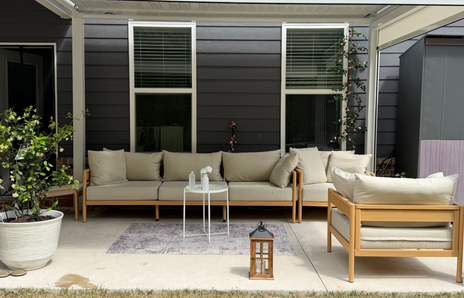
You don't need to completely remodel your home to adopt this aesthetic. You can introduce curves gradually through intentional, layered choices:
- The Focal Point Sofa: Swap a traditional rectangular couch for an organic, crescent-shaped sofa or a modular unit with rounded corners. This instantly softens the entire layout of the room.
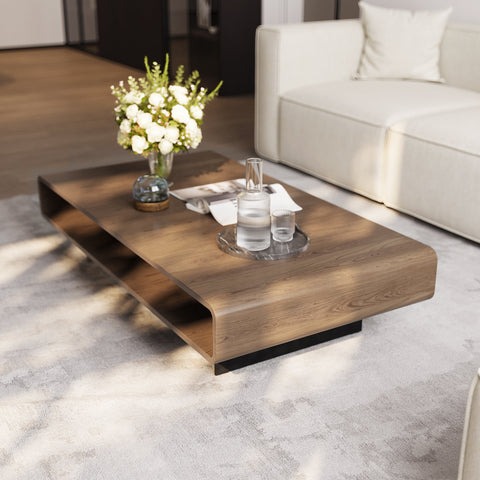
- Sculptural Tables: Break up the harsh lines of television stands and rectangular rugs by adding a round, stone-textured coffee table or a set of nested, kidney-shaped side tables.
- Arched Visuals: Look for home accessories that mirror these soft forms—think circular mirrors, asymmetrical wavy rugs, ceramic vases with sweeping necks, or arched floor lamps that cast a soft, downward glow.
Balancing the Flow
The key to a successful sensory sanctuary is contrast. You don't want a room where everything is a circle, which can feel unanchored. Instead, use curved furniture to soften the rigid, straight lines of your room's existing walls, windows, and doorways. The tension between the straight architectural lines and the fluid interior pieces is where true high-design magic happens.
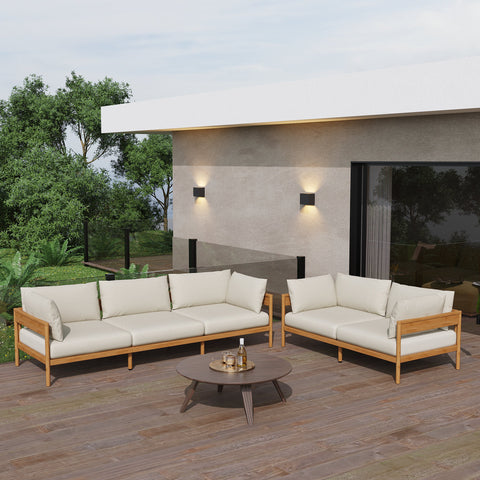
The Modular Mindset: Designing for Fluid Living
The final pillar of creating a sensory sanctuary is flexibility. Traditional living rooms are often locked into a rigid layout: one heavy, immovable sofa flanked by two static armchairs. But our lives are fluid, and our spaces should be too. Adopting a modular mindset means choosing furniture that adapts to your mood, your guest count, and your changing lifestyle.
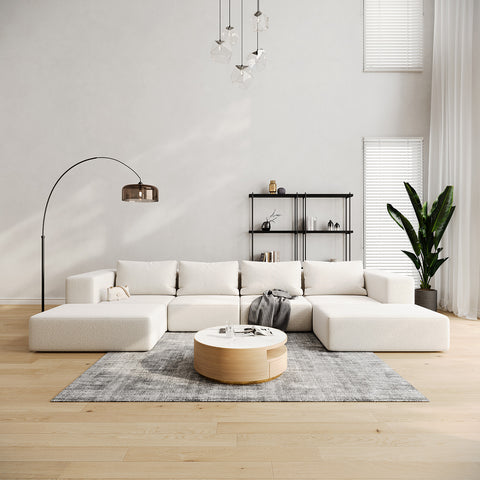
A modular sofa is the ultimate tool for a dynamic, slow lounge home—turning your living room from an intimate sanctuary into a social hub in seconds.
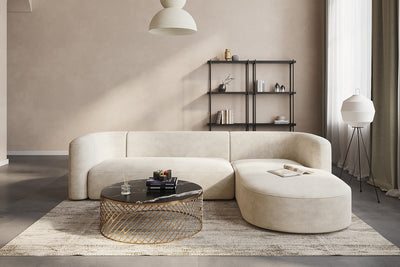
Why Modular Design is Essential for Modern Living
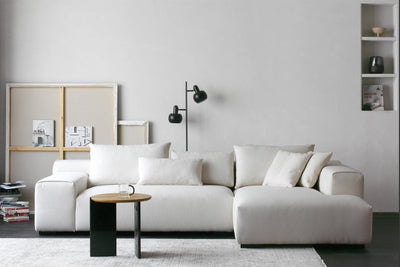
Modular furniture consists of independent pieces (like corner seats, armless chairs, and ottomans) that can be rearranged into multiple configurations. This design philosophy offers unique benefits for an intentional home:
- Custom Spatial Flow: Whether you are dealing with a tight 400-square-foot studio or an open-concept living area, modular pieces let you build a layout that fits your exact architecture. You can expand your seating or scale it down whenever you need.
- The "Chameleon" Factor: Moving into a new apartment often means buying new furniture because the old pieces won't fit the new layout. Modular units eliminate this problem, allowing you to split an L-shaped sectional into separate lounge chairs or reassemble them into a long, straight sofa.
- Emotional Versatility: Sometimes you want a formal, upright setup for hosting a coffee chat with friends. Other times, you want to push the pieces together, pull up an ottoman, and create a giant, seamless daybed for a movie night or a slow Sunday afternoon.
How to Work the Modular Mindset Into Your Home
If you want to transition your space to a more adaptable layout, keep these design tips in mind:
- Anchor with an Ottoman: A large, upholstered modular ottoman is the most hardworking piece of furniture you can buy. Use it as a footrest, push it against the couch to create a chaise lounge, or top it with a wooden tray to serve as a soft-edged coffee table.
- Prioritize Low-Profile Bases: Look for modular units that sit low to the ground. This keeps the sightlines open, ensuring that even if you arrange the pieces into a larger configuration, the room still feels spacious, light, and airy.
- Choose Secure Connecting Systems: Make sure the modular pieces you select feature sturdy hidden clips or non-slip under-golems. This ensures your sanctuary stays securely put when you sink into it, but remains effortless to unhook and rearrange when inspiration strikes.
The Ultimate Freedom of Home
Ultimately, the modular mindset is about liberation. It rejects the idea that your home must remain static. By choosing furniture that moves with you, you create a living room that doesn't just look beautiful on camera—it actively supports the shifting, beautiful rhythms of your daily life.