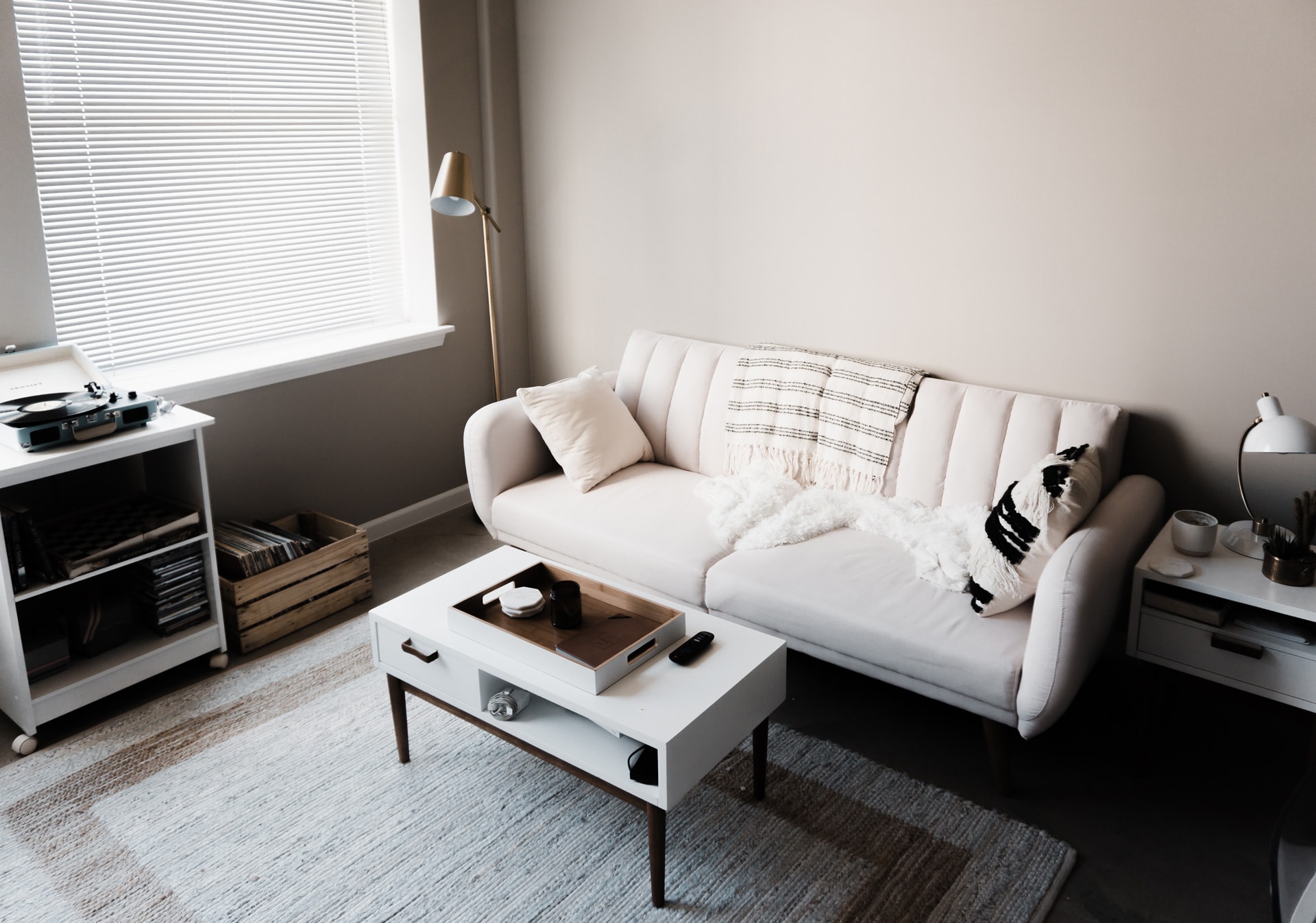
There is a common misconception that minimalism demands sterile white walls, hidden storage, and an emptiness that feels more like an art gallery than a home. But when you are living in 400 square feet, cold minimalism doesn’t feel spacious—it feels lonely.
True minimalism isn't about subtracting life; it is about intentional curation. By focusing on tactile minimalism, we shift the focus from what a room lacks to how it feels. It is the art of using rich textures, natural materials, and soft lighting to turn a compact urban studio into a cozy, deeply grounding sanctuary.
Here is how to romance your micro-space by prioritizing touch, warmth, and intention.
🌾 The Core Philosophy: Texture Over Objects
When you don’t have room for excess decor, the items you do own must work harder. Instead of adding visual clutter with trinkets, introduce depth through physical surfaces.
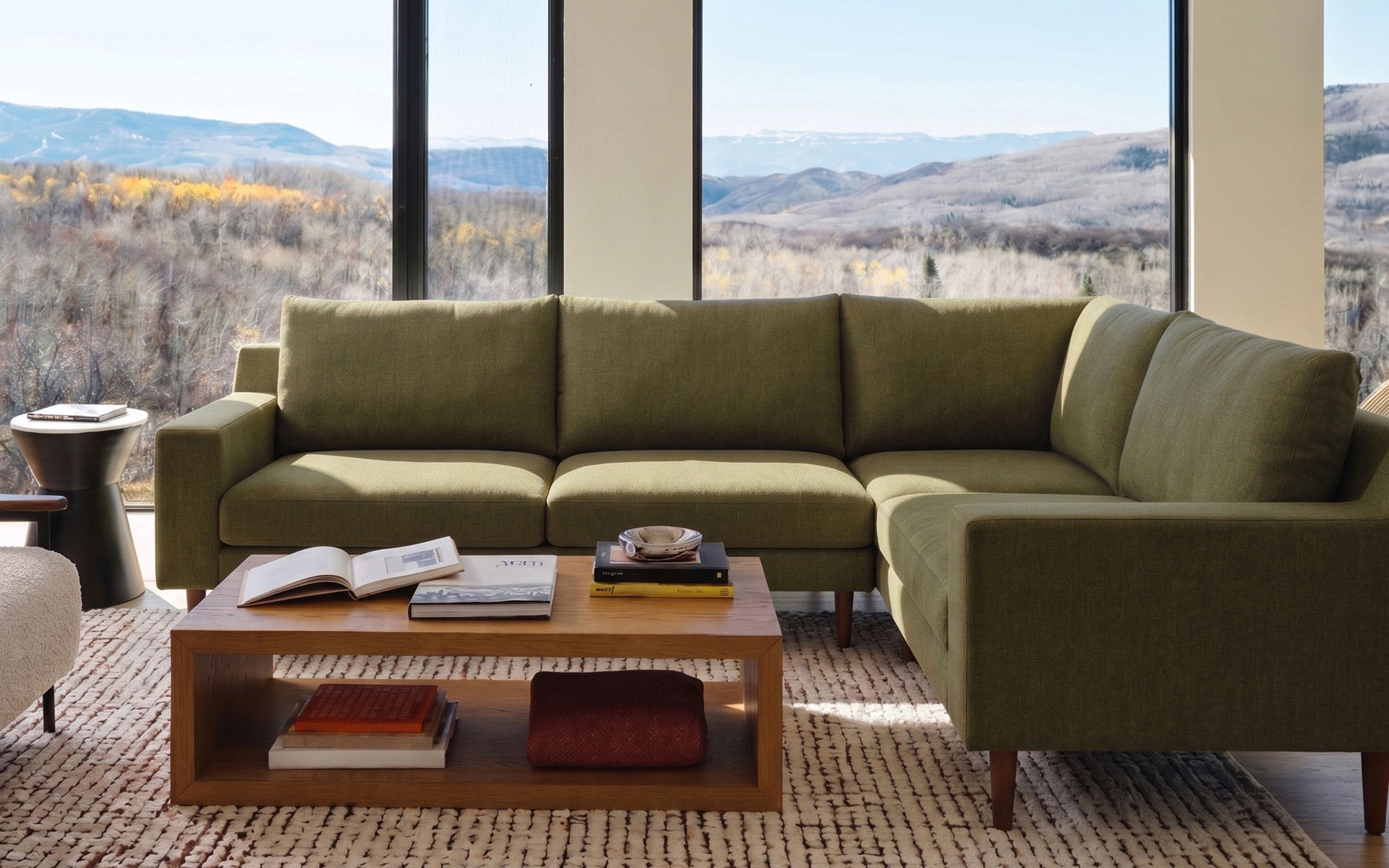
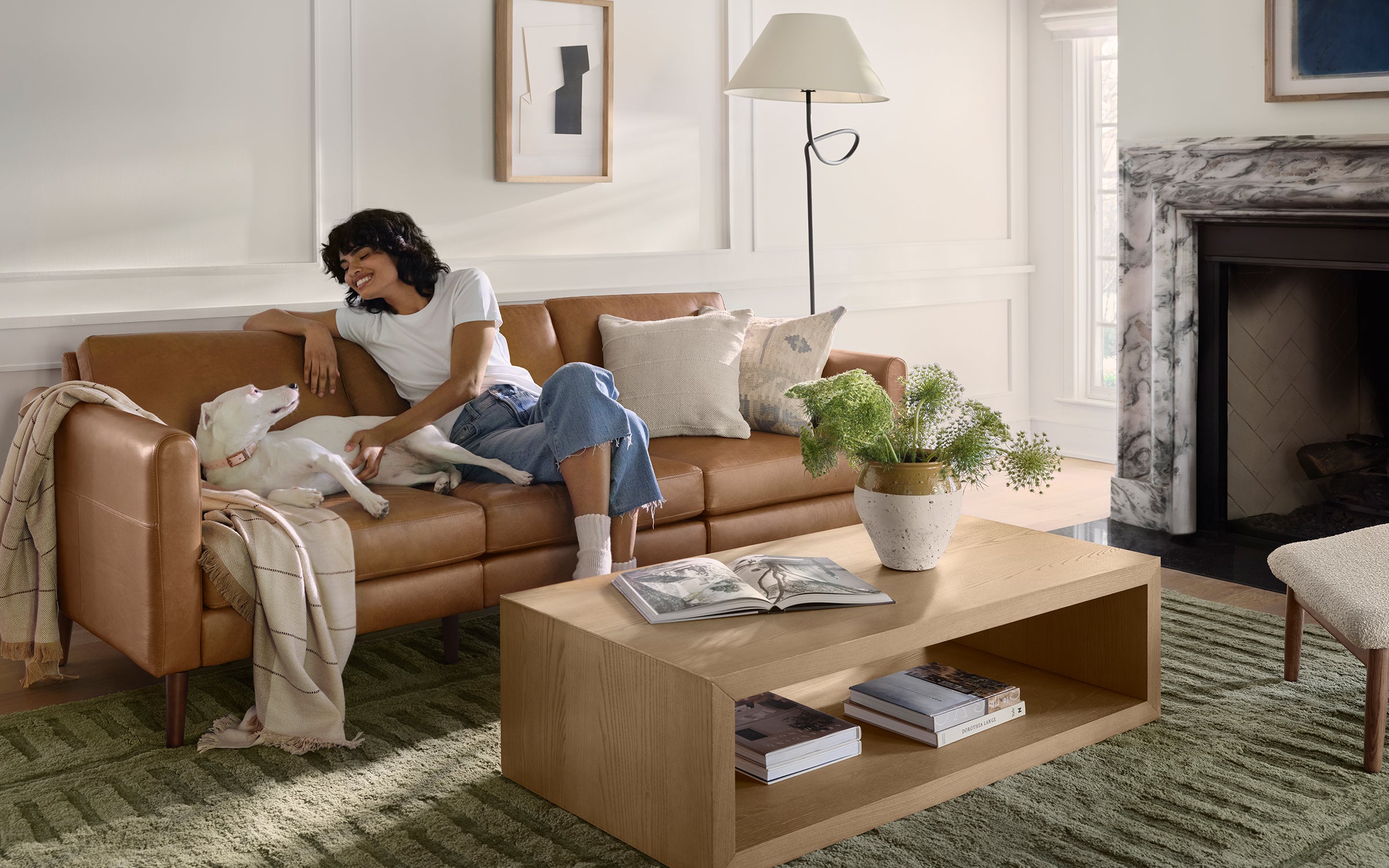
Layer Your Textiles: Swap synthetic fabrics for raw, living textures. A heavy linen duvet, a chunky ribbed wool throw, and a washed cotton rug provide visual richness without taking up an inch of extra floor space.
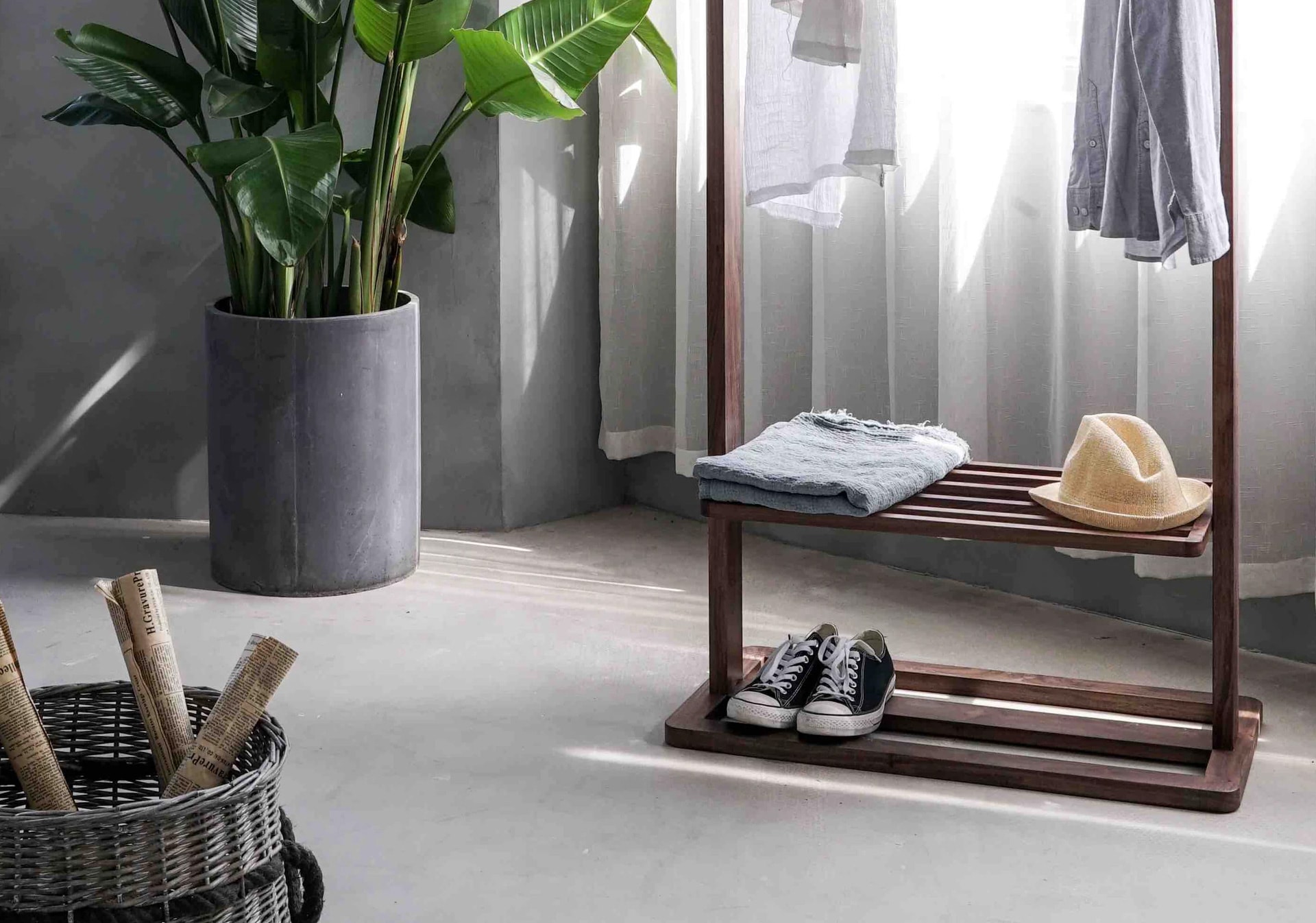
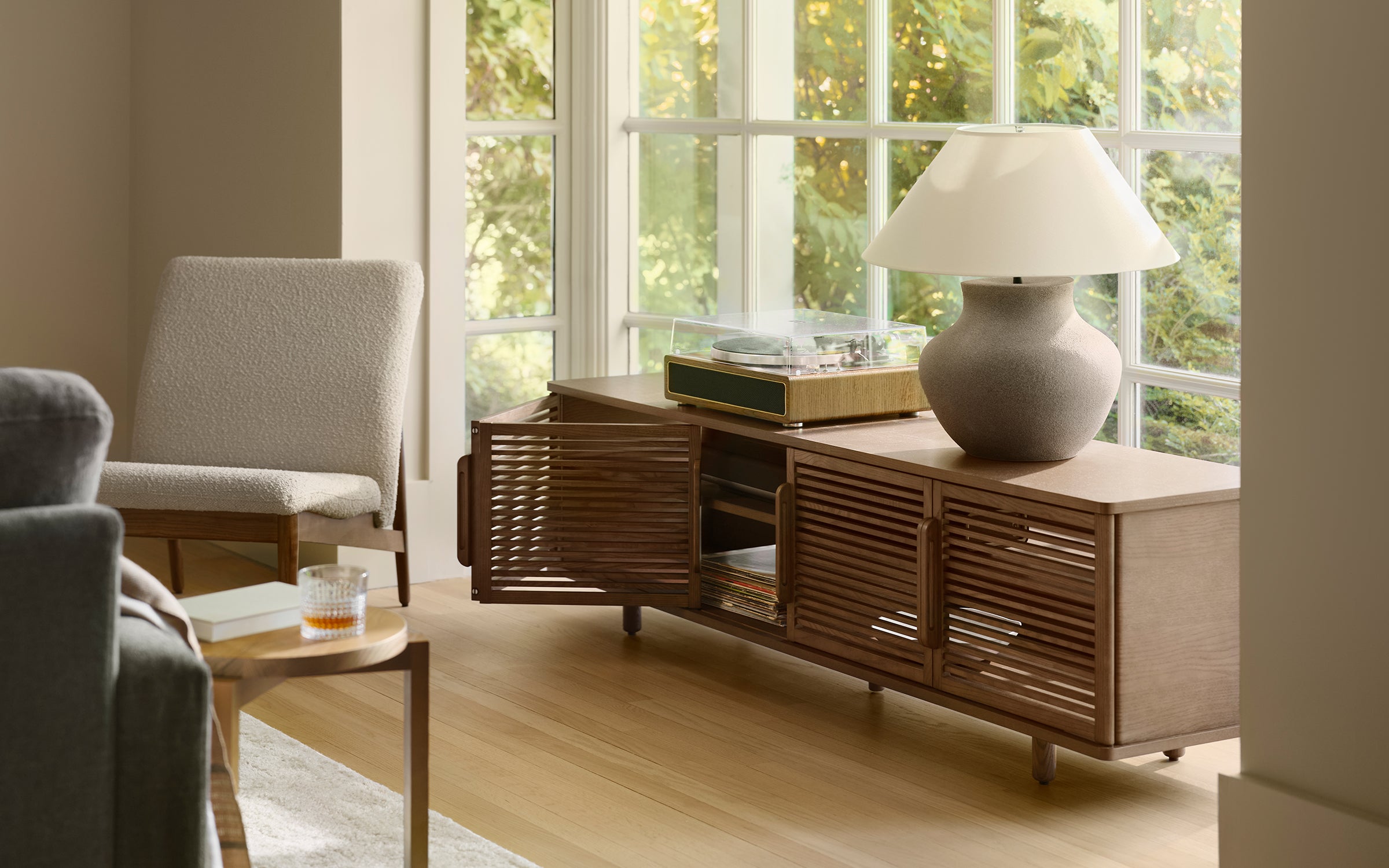
Embrace the Imperfect: Introduce organic elements like unglazed terracotta planters, a rough-sawn oak stool, or a matte ceramic mug. These materials catch the light beautifully and feel grounding to touch.
Keep the Palette Grounded: Stick to a cohesive tonal palette—think warm creams, oatmeal, soft clays, and muted sages. This creates a seamless visual flow, making the boundaries of your studio melt away.
📐 Spatial Ingenuity: Creating "Visual Air"
Living in 400 square feet requires a strict editing eye, but it also demands clever layout choices that honor your daily flow.
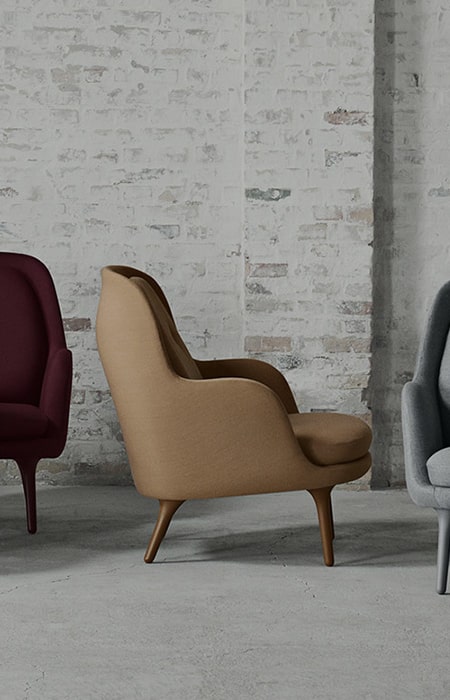
Low-Profile Living: Choose furniture that sits closer to the floor. A low sofa or a platform bed creates more vertical wall space, instantly making ceilings feel higher and rooms feel airier.
The "Floating" Rule: Whenever possible, lift furniture off the ground. Floating nightstands, wall-mounted shelving, and slender-legged chairs allow light to pass underneath, tricking the eye into seeing more floor space.
Zoning with Scent and Light: Instead of heavy room dividers, use sensory boundaries. A specific candle or incense ritual can signal the transition from "work hours" to "relaxing hours," turning your multi-purpose studio into distinct emotional zones.
☕ The Art of the Micro-Reset
A tactile minimalist home stays beautiful because of the rituals built within it. Because everything is visible at once, clearing visual noise becomes an act of self-care.
Make it a habit to do a five-minute evening sweep. Tuck away the laptop, smooth out the linen couch cover, and light a amber-toned lamp. By treating your small studio with the respect of a luxury boutique hotel, it will quickly become the ultimate burrow you never want to leave.



 texturell